Poor Circulation in Your Feet: Signs You Shouldn't Explain Away
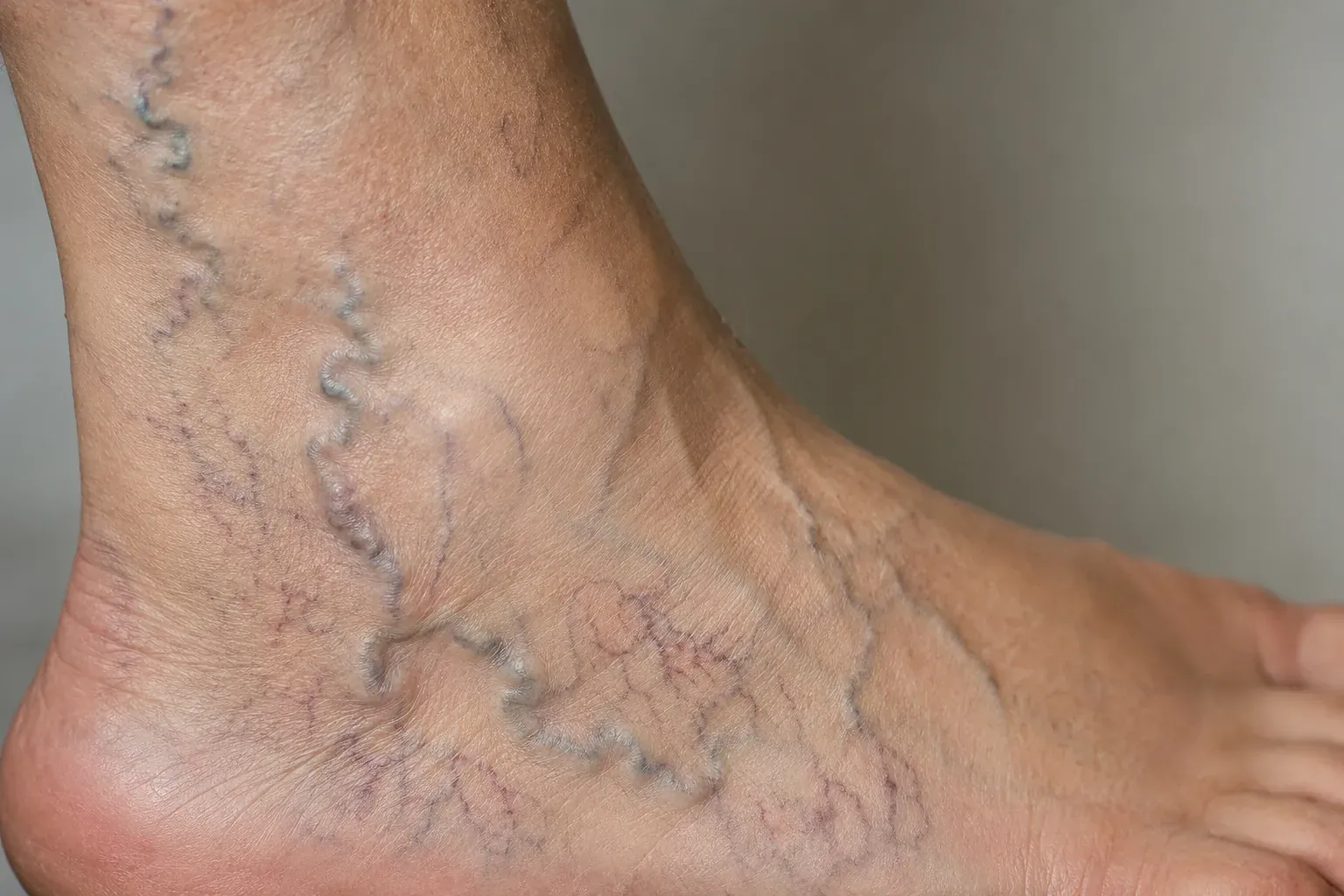
Feet are the first place circulation problems show and the last place people look for them. The signs have patterns.
Read the article →Diabetes changes the rules for feet. A blister that would merely annoy anyone else can quietly become an ulcer, then an infection, in a foot that can't feel it happening. Scheduled foot care is the system that catches those problems while they're still small, and it's among the most reliably covered services in podiatry, including under Medicare.
Over time, high blood sugar does two things to feet. It dulls the nerves (peripheral neuropathy), so the pain alarm that protects everyone else goes quiet. And it stiffens and narrows the small blood vessels, so damage repairs slowly. That combination is what makes diabetic feet dangerous: injuries happen unnoticed and then heal poorly. Diabetic foot care counters both, through professional exams on a schedule matched to your risk, in-office nail and callus management that's unsafe to do by feel at home, and a direct line for same-day response the moment something looks wrong.
The comprehensive exam maps what your own nerves may no longer report: monofilament and vibration testing across the sole, pulse checks and circulation assessment, a full inspection of skin, nails, and pressure points, and a review of the shoes you actually work and live in. It ends with a concrete risk category, the recheck schedule that category calls for, and documentation your primary doctor and your insurance both need.
At minimum, once a year for a comprehensive foot exam, even if your feet feel perfect; feeling perfect is precisely what early neuropathy feels like. With diagnosed neuropathy, circulation problems, foot deformity, or a past ulcer, the interval tightens to every two to three months and nail care moves into the office. A new sore, warm spot, swelling, or color change is not a next-appointment matter: call the same day.
Call (586) 277-3476 promptly for: any open sore, blister, or drainage; a suddenly warm, red, or swollen foot (with or without pain); black or blue skin changes; a callus with dark or bloody discoloration. Urgent foot problems are worked into the schedule faster.
Treatment starts with the simplest option likely to work and escalates only when needed.
Exam frequency tracks your risk, from yearly for well-controlled low-risk feet to quarterly for high-risk ones. Medicare and most plans cover this schedule because it demonstrably prevents ulcers and amputations.
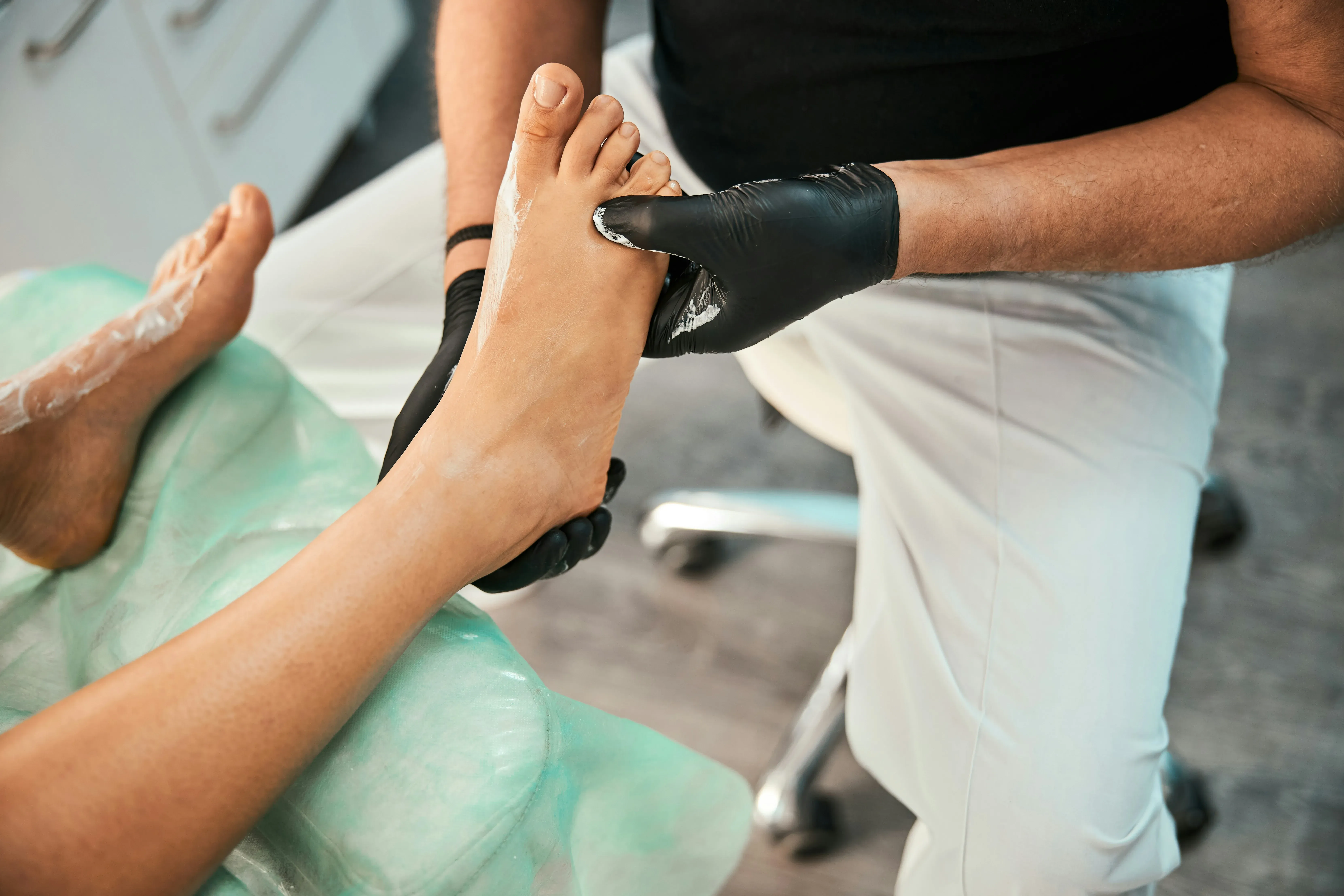
Nails and calluses are trimmed and thinned in the office, where sharp tools and numb feet can't combine into a wound. For patients with neuropathy, this routine care is itself wound prevention.
Hot spots and heavy calluses get offloaded before skin breaks down: diabetic-appropriate footwear guidance, custom inserts, and padding placed where your pressure points actually are.
New sores are seen the same day, because a diabetic wound's age is the biggest predictor of how it goes. If a wound needs ongoing treatment, advanced wound care continues in the same office.
Daily, anchored to a routine you already have, like after a shower or after pulling off work boots at the end of a shift. Look over the soles (a mirror on the floor works), between the toes, and around the nails for cuts, blisters, color changes, or warm spots. With neuropathy, your eyes have to do the job your nerves used to.
Roomy in the toe box, seamless inside, cushioned, and never broken in through pain. If you qualify, Medicare's therapeutic shoe benefit covers specialized diabetic shoes and molded inserts each year. Workers who need safety-toe footwear can get diabetic-appropriate versions, and the fit is worth reviewing at your exam.
Established nerve damage generally does not reverse, which is exactly why the goal is finding it early and stopping the progression through blood sugar control. What is preventable is everything neuropathy leads to: the exams, footwear, and routine care exist to keep numb feet from ever becoming wounded ones.
Call (586) 277-3476 today, stay off the foot as much as possible, and cover the spot with clean, dry gauze; no ointments, no draining it yourself, no waiting until next week. A diabetic blister seen within a day or two is usually a minor visit. The same blister after two weeks can be a hospital problem.
Feet are the first place circulation problems show and the last place people look for them. The signs have patterns.
Read the article →On most feet a callus is cosmetic. On a diabetic foot it's a pressure gauge, and sometimes a lid over something worse.
Read the article →Medicare pays for therapeutic shoes and inserts for qualifying diabetics every year. Most eligible patients never use it.
Read the article →One visit at our Sterling Heights office gets you a diagnosis and a plan. Call (586) 277-3476 or book online.