Heel Pain That Won't Go Away: What You're Probably Missing
When heel pain outlasts months of trying, one of four things is usually going on. None of them is 'just live with it.'
Read the article →Heel pain sends more Sterling Heights patients to a podiatrist than any other complaint. Under that one label sit half a dozen different problems, and the treatment that fixes one can waste months on another. Figuring out which structure is hurting is the whole ballgame, and it usually takes a single visit.
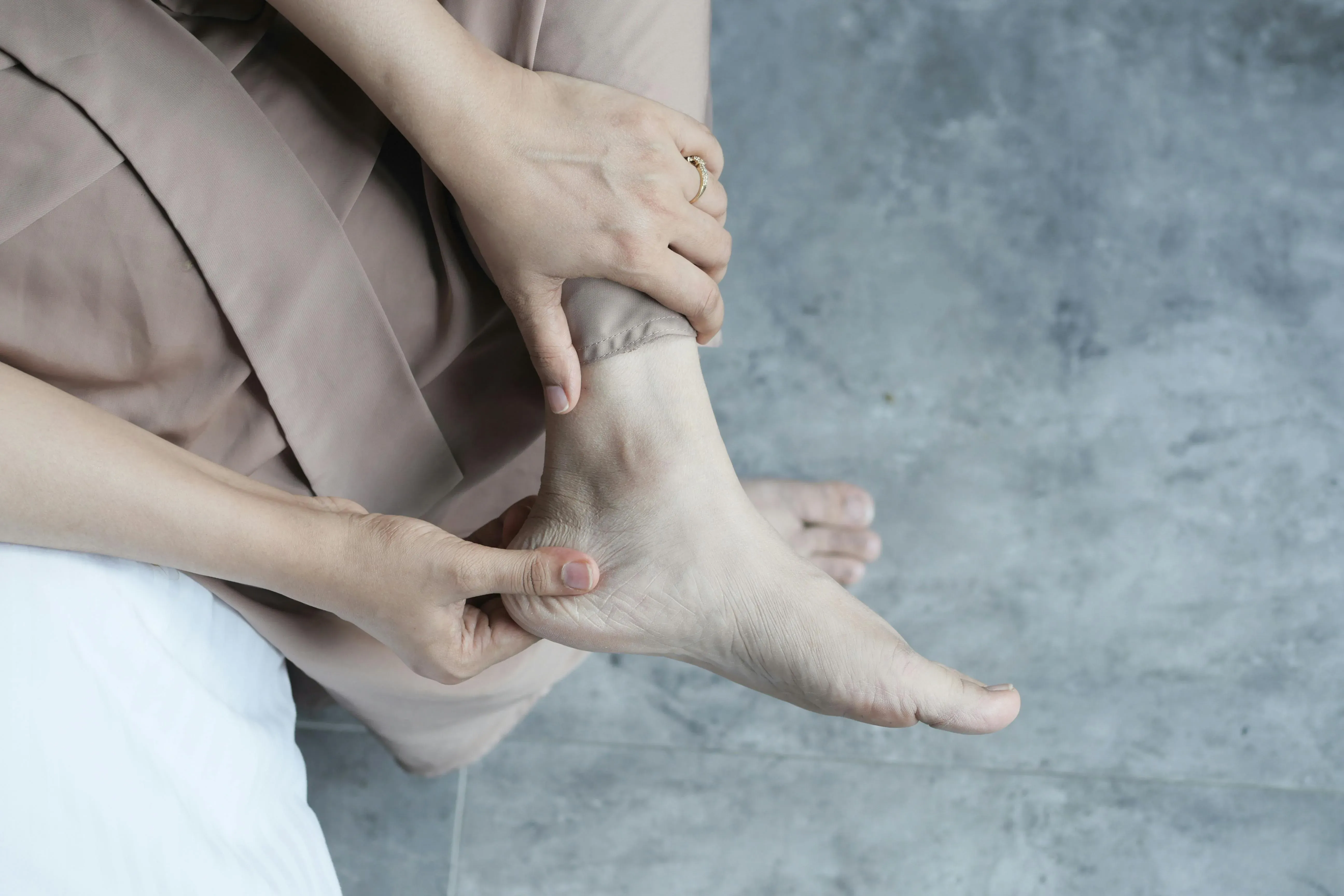
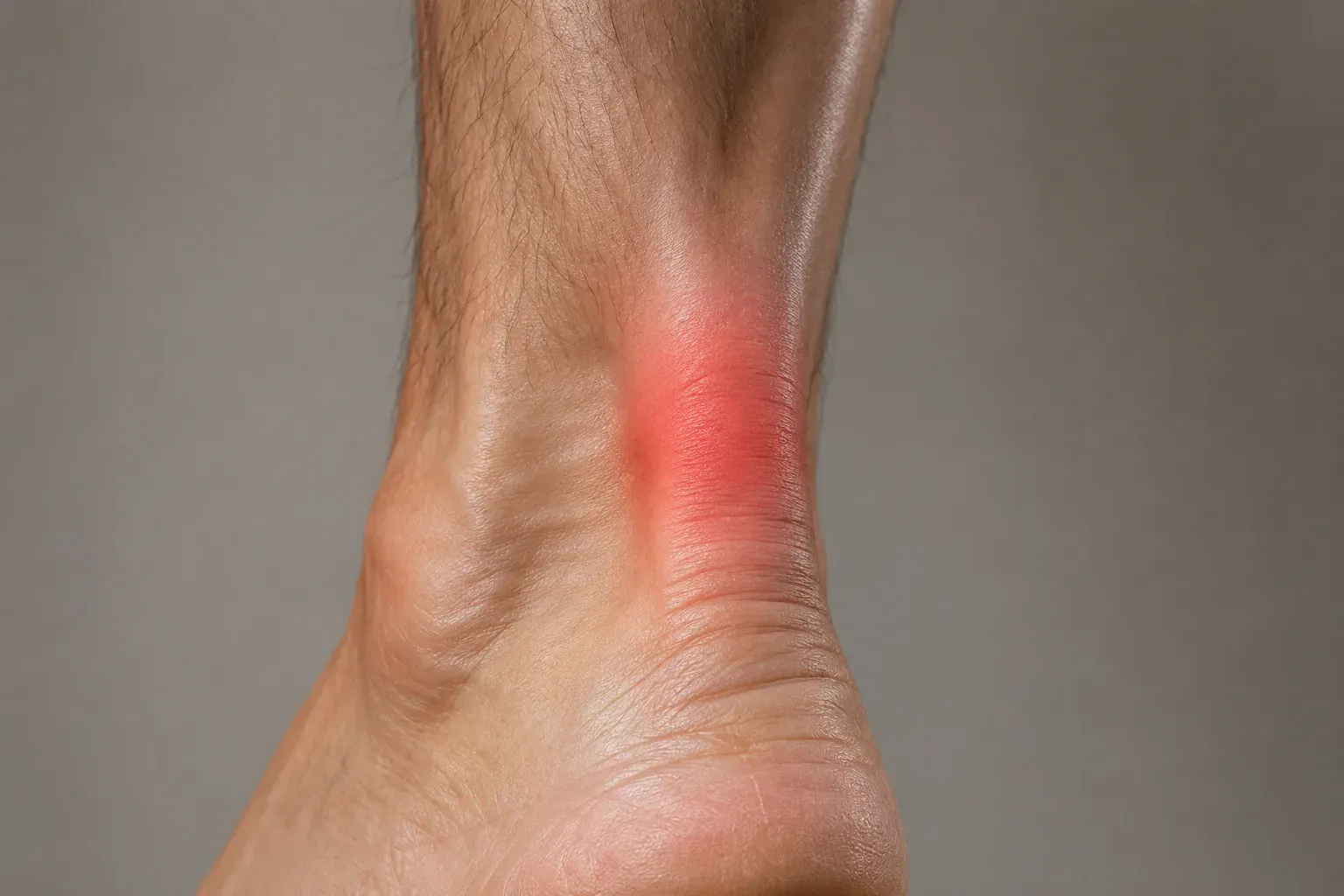
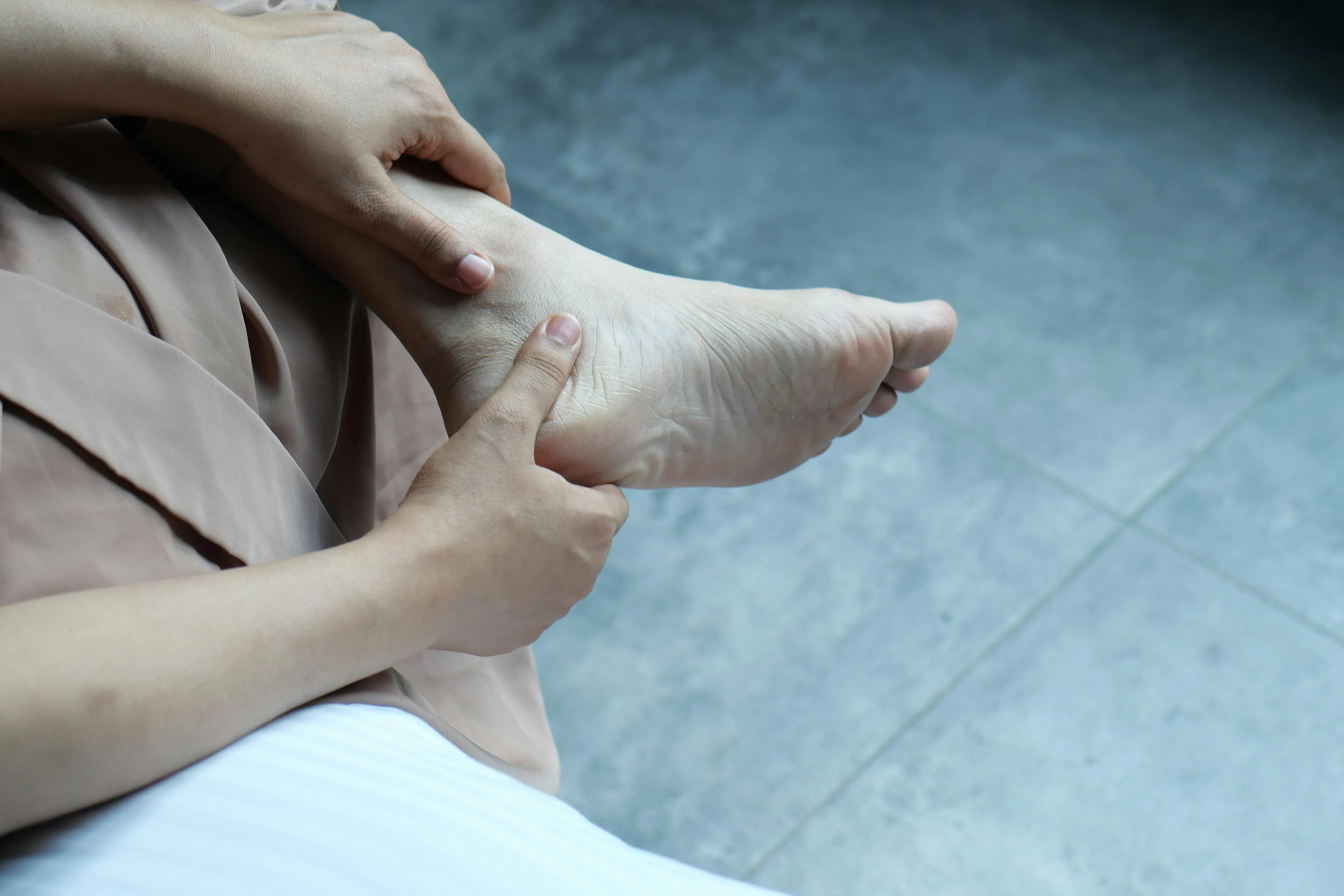
Your heel lands first on every step and absorbs forces well past your body weight, more when the surface is concrete and the day is long. Pain directly under the heel usually traces to the plantar fascia, the tissue band that anchors your arch. Pain at the back points to the Achilles tendon or the small cushioning bursa near it. A deep ache inside the bone can mean a stress fracture, while burning or tingling suggests a pinched nerve. Where it hurts, and when in the day it hurts, narrows the list before an X-ray is ever taken.
Dr. Repitor presses on the individual structures that cause heel pain, one at a time, until the exam reproduces yours. He also measures calf tightness, watches you walk, and reads the wear pattern on your work boots or running shoes, which often tells its own story. In-office X-rays or ultrasound are added when the exam hints at a stress fracture, a tear, or anything beyond straightforward overload.
Two weeks is a fair cutoff. Heel pain that survives two weeks of rest and decent shoes, or that keeps returning at the end of every shift, has earned an exam. Going early pays off: heel pain caught in its first month usually clears in weeks, while heel pain that has been limped on for a year can take the better part of another one to undo.
Call (586) 277-3476 promptly for: sudden severe heel pain after an injury or a pop; inability to bear weight; redness, warmth, or fever; numbness or tingling spreading through the foot. Urgent foot problems are worked into the schedule faster.
Treatment starts with the simplest option likely to work and escalates only when needed.
A calf and fascia stretching routine matched to your specific problem, plus footwear that supports the failing structure instead of fighting it. Cheap, unglamorous, and effective for the majority of heel pain.
Prescription inserts shift load away from the painful structure so it can heal during your workday instead of being re-injured by it.
When weeks of stretching and support haven't moved the needle, focused sound waves restart healing in the tissue. No needles, no downtime, no time off your feet.
A precisely placed cortisone injection can break a pain cycle, and chronic cases have minimally invasive options. Heel pain that actually needs surgery is rare.
Usually yes, and the treatment plan assumes you will. Support, offloading, and stretching are chosen to hold up through shifts on hard floors. What makes heel pain drag on is not work itself but working on it for months without correcting the load.
Under the heel, especially sharp with the morning's first steps, points to the plantar fascia. At the back, worse in stiff shoe counters or on stairs, points to the Achilles tendon or its bursa. The two are treated differently, which is why location matters more than intensity.
Probably not by itself. Spurs show up on X-rays of plenty of people with no heel pain at all. A spur is usually a marker of long-term fascia tension rather than the pain source, and treating the soft tissue resolves most cases without the spur ever being touched.
Call (586) 277-3476. With weekday appointments plus Saturday morning hours, most patients get in within days, and many treatments start at that first visit.
When heel pain outlasts months of trying, one of four things is usually going on. None of them is 'just live with it.'
Read the article →That stabbing first-step pain has a specific cause, and it's one of the most fixable problems in podiatry.
Read the article →The Achilles heals on tendon time, not your calendar. Knowing the real numbers prevents both premature quitting and reinjury.
Read the article →One visit at our Sterling Heights office gets you a diagnosis and a plan. Call (586) 277-3476 or book online.